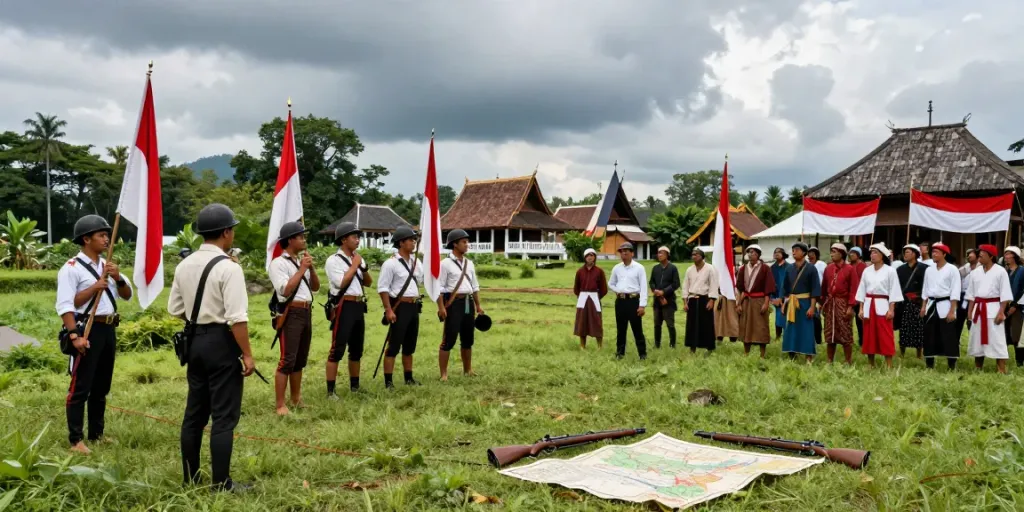
Understanding the Colonial Context of the Dutch-Indonesian Conflict
The struggle for independence in Indonesia is deeply rooted in its colonial history, particularly during the Dutch colonization period. This era was marked by economic exploitation, cultural suppression, and ongoing resistance from the Indonesian people. Through an examination of the socio-political landscape of the time, we can gain a clearer understanding of how the conflict unfolded and the underlying causes that contributed to it. For those looking to explore this complex historical narrative, rokok88 super offers comprehensive insights into the evolution of Indonesia's path to nationhood.
Historical Background of Dutch Colonization in Indonesia
The Dutch began their colonization of Indonesia in the early 17th century, driven by the lucrative spice trade. Over the centuries, they established a strong presence in the archipelago, forming the Dutch East Indies. This colonial rule was characterized by a hierarchical social structure that marginalized native Indonesians and prioritized Dutch interests. The introduction of plantation systems and forced labor altered the agricultural landscape and heightened local discontent.
Significant Events Leading to Conflict
Several pivotal events fueled the Indonesian struggle for independence. The nationalist movement began to gain momentum in the early 20th century, with organizations such as Budi Utomo and Sarekat Islam emerging to advocate for Indonesian rights. The impact of World War II and Japan's occupation of Indonesia from 1942 to 1945 further complicated the struggle, as it disrupted Dutch control and ignited nationalistic fervor among Indonesians.
Key Players in the Colonial Era
Key figures emerged during this tumultuous period, including Soekarno and Mohammad Hatta, who would later become Indonesia's first president and vice president, respectively. Their leadership was crucial in mobilizing support for independence and negotiating with foreign powers. These leaders envisioned a unified Indonesia free from colonial rule and were instrumental in uniting various ethnic groups under the Indonesian flag.
Major Battles and Conflicts During the War
The Indonesian War of Independence was marked by numerous battles across the archipelago, highlighting the resilience of the Indonesian fighters against a well-equipped colonial army. Key locations include Surabaya, where fierce fighting broke out in 1945, and the Battle of Java, which showcased the strategic guerrilla tactics employed by Indonesian forces.
Key Locations of the Indonesian Independence Movement
Throughout Indonesia, several locations became symbols of resistance. In Aceh, for example, the struggle was characterized by rural uprisings against Dutch control. In contrast, urban centers like Jakarta saw organized protests and political negotiations. These regions played distinct yet collaborative roles in the broader fight for independence.
Strategies Employed by Freedom Fighters
Indonesian freedom fighters adopted various strategies to counter the Dutch military. Guerrilla tactics, sabotage, and propaganda were essential in undermining Dutch authority while garnering local and international support. The use of local knowledge and terrain allowed these fighters to engage in effective resistance despite being outnumbered and outgunned.
The Role of Foreign Powers in the Conflict
International dynamics also influenced the Indonesian struggle for independence. The geopolitical landscape during and after World War II shaped foreign attitudes towards colonialism. The growing anti-imperialist sentiment worldwide, especially following the war, provided Indonesia with an opportunity to garner support from foreign nations and organizations.
Influential Figures in the Indonesian Independence Movement
The fight for independence was not without its prominent leaders whose influence shaped the course of Indonesian history. These figures came from various backgrounds and played significant roles in mobilizing the population.
Profiles of Prominent Leaders
Soekarno emerged as a charismatic leader, effectively communicating the aspirations of the Indonesian people. His ability to articulate nationalist sentiments united diverse groups under a common cause. Meanwhile, Sutan Sjahrir, a prominent thinker and politician, emphasized the importance of diplomacy and international support in achieving independence.
Impact of Social Movements on the War
Social movements significantly impacted the momentum of the independence struggle. Organizations advocating for women's rights and labor rights contributed to the overall nationalist sentiment, demonstrating that the fight for independence intersected with broader social issues. These movements provided vital grassroots support and legitimacy to the independence cause.
Legacy of Historical Figures in 2026
The legacy of these influential leaders continues to resonate in contemporary Indonesia. Their contributions are celebrated in educational curricula, public monuments, and national commemorations. Understanding their roles provides insight into the foundational values that shape Indonesia's national identity today.
Consequences of the Conflict on Modern Indonesia
The successful struggle for independence ultimately transformed Indonesia into a sovereign nation with its distinct identity. However, this transformation came with challenges and opportunities that have shaped modern Indonesian society.
Political Changes Following Independence
Following independence, Indonesia adopted a democratic framework, although it faced numerous political upheavals in the decades that followed. The transition from colonial rule to self-governance required significant adjustments, including the establishment of political institutions and a national constitution that reflected the aspirations of its people.
Social Repercussions of the War
The war for independence left deep social scars, including communal divisions and a legacy of violence. However, the shared experience of fighting for freedom fostered a sense of unity among the diverse ethnic groups within Indonesia. This unity continues to be a foundational principle in fostering national solidarity.
Current Perspectives on Colonial History
As Indonesia approaches its 2026 centennial of independence, there is a growing discourse on how colonial history is perceived and taught. Education reform initiatives aim to equip future generations with a nuanced understanding of their past, emphasizing reconciliation and acknowledgment of historical injustices.
Reflections on Historical Narratives and Their Importance
Historical narratives play a crucial role in shaping collective memory and national identity in Indonesia. These stories reflect the values and struggles of previous generations, serving as inspirations for contemporary citizens.
Shaping National Identity Through History
The narrative of independence is central to Indonesia's national identity. It reinforces a sense of pride and belonging among its citizens. By understanding the complexities of this history, Indonesians are better equipped to navigate their socio-political landscape today.
Challenges in Depicting Colonial Narratives
One of the challenges in portraying colonial history is the potential for differing interpretations among various groups. Recognizing the multiplicity of experiences and perspectives is essential in developing a more inclusive historical narrative that resonates with all Indonesians.
Future Trends in Historical Interpretation
As Indonesia progresses into the future, there will likely be a continued emphasis on re-evaluating historical narratives. The integration of digital technologies and interactive platforms may allow for more dynamic educational experiences that engage younger generations in understanding their country's past.
What are the main causes of the Dutch-Indonesian conflict?
The primary causes of the conflict can be attributed to economic exploitation, cultural suppression, and the denial of political rights to the Indonesian population by the Dutch colonial authorities.
How did international relations influence the war?
International relations played a significant role by exposing the colonial practices of the Dutch and facilitating support for Indonesian sovereignty from other nations, particularly following World War II.
What lessons can modern Indonesia learn from its past?
Modern Indonesia can learn the importance of unity amid diversity, the necessity of addressing historical injustices, and the value of international solidarity in political struggles.
Who were the notable freedom fighters in this period?
Notable freedom fighters include Soekarno, Mohammad Hatta, and many other regional leaders who played critical roles in mobilizing support for the independence movement across the archipelago.
How is colonial history taught in Indonesia today?
Today, colonial history is taught with an emphasis on critical thinking, encouraging students to analyze the impact of colonialism, its legacies, and the importance of national identity, fostering a more inclusive understanding of the past.